



Production case study
oCare — Virtual Healthcare Platform & Mobile App
Turned patient and doctor workflows into a releasable virtual-care product backed by safer environments, adaptable forms, and controlled rollouts.
- Client
- Cloudly
- Engagement
- 2025
- My role
- Product deployment and full-stack engineer
3 environments
development, staging, and production
Configurable
forms that adapt without app rewrites
Controlled
feature-flagged product rollouts
01 · The brief
The assignment and its real constraints
Support patient and doctor workflows in a healthcare product where releases, forms, notifications, and environments all need to remain predictable.
Keep patient and doctor information flows clear across reports, reminders, prescriptions, and follow-ups.
Let changing healthcare forms evolve without tying every update to a new mobile release.
Separate validation from production while retaining a repeatable release path.
02 · My mandate
What I owned
- ✓Translated patient and doctor requirements into connected mobile and backend workflows.
- ✓Established the environment and release structure used to validate changes safely.
- ✓Introduced dynamic forms and feature controls to make product change less disruptive.
03 · Technical judgment
Decisions that shaped the system
Separate environments by purpose
Development, staging, and production were isolated so the team could validate integrations and workflows without using customers as the test environment.
Move variable forms into configuration
Dynamic forms reduced the need to rebuild and redistribute the application whenever a product workflow or information requirement changed.
Control exposure independently of deployment
Feature toggles gave the team a safer way to stage availability, validate behavior, and respond when a workflow needed adjustment.
04 · Execution
From discovery through production
Step 1
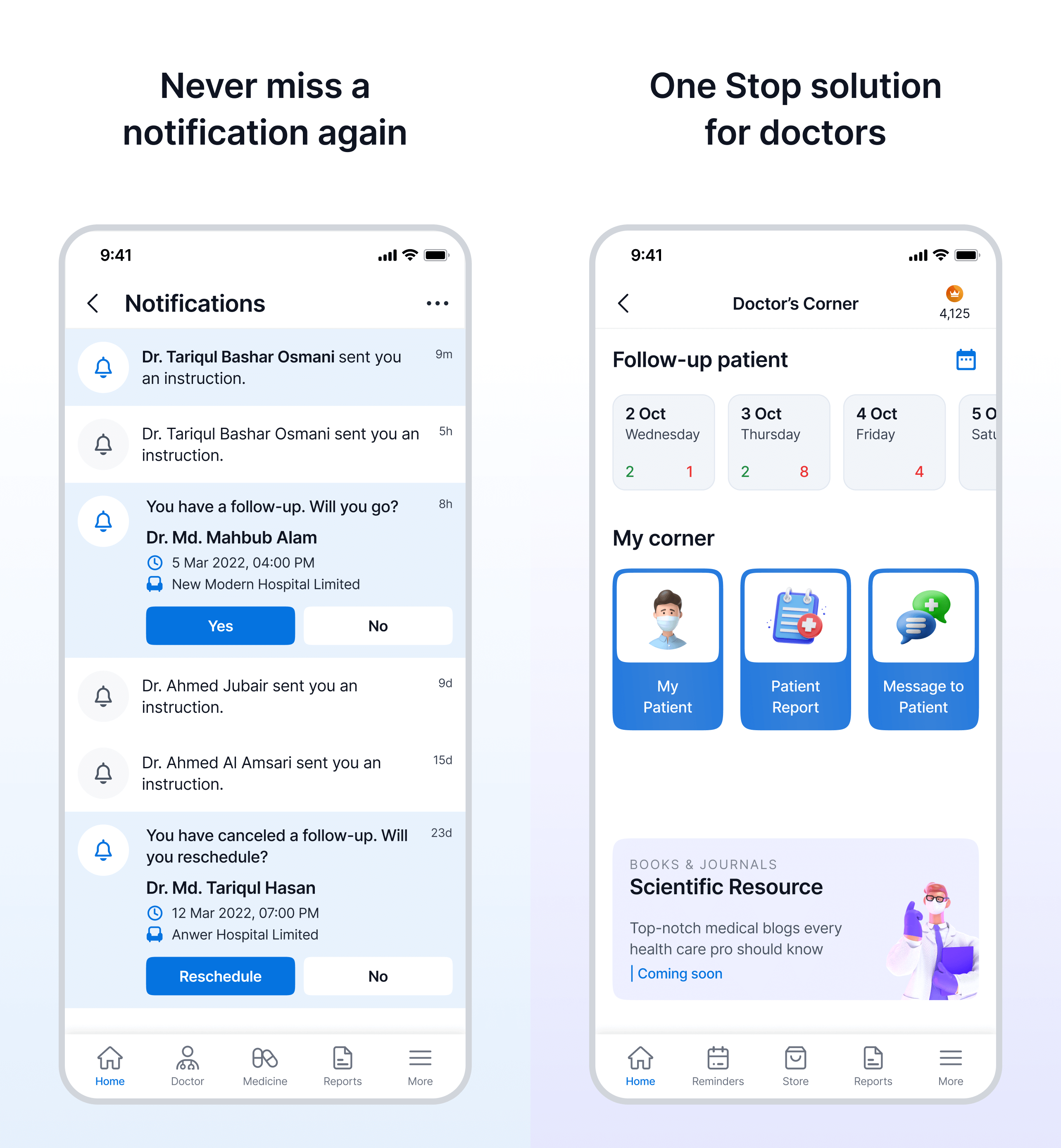
Mapped reports, reminders, follow-ups, prescriptions, and notifications across patient and doctor journeys.
Step 2
Separated development, staging, and production so each change had a clear validation path.
Step 3
Moved changeable information capture into dynamic forms and added feature-level rollout controls.
Step 4
Connected the resulting workflows across the mobile product, backend services, and notification layer.
System delivered
The production surface
Product evidence
Product snapshots
05 · Result
Production outcomes
Evidence & disclosure
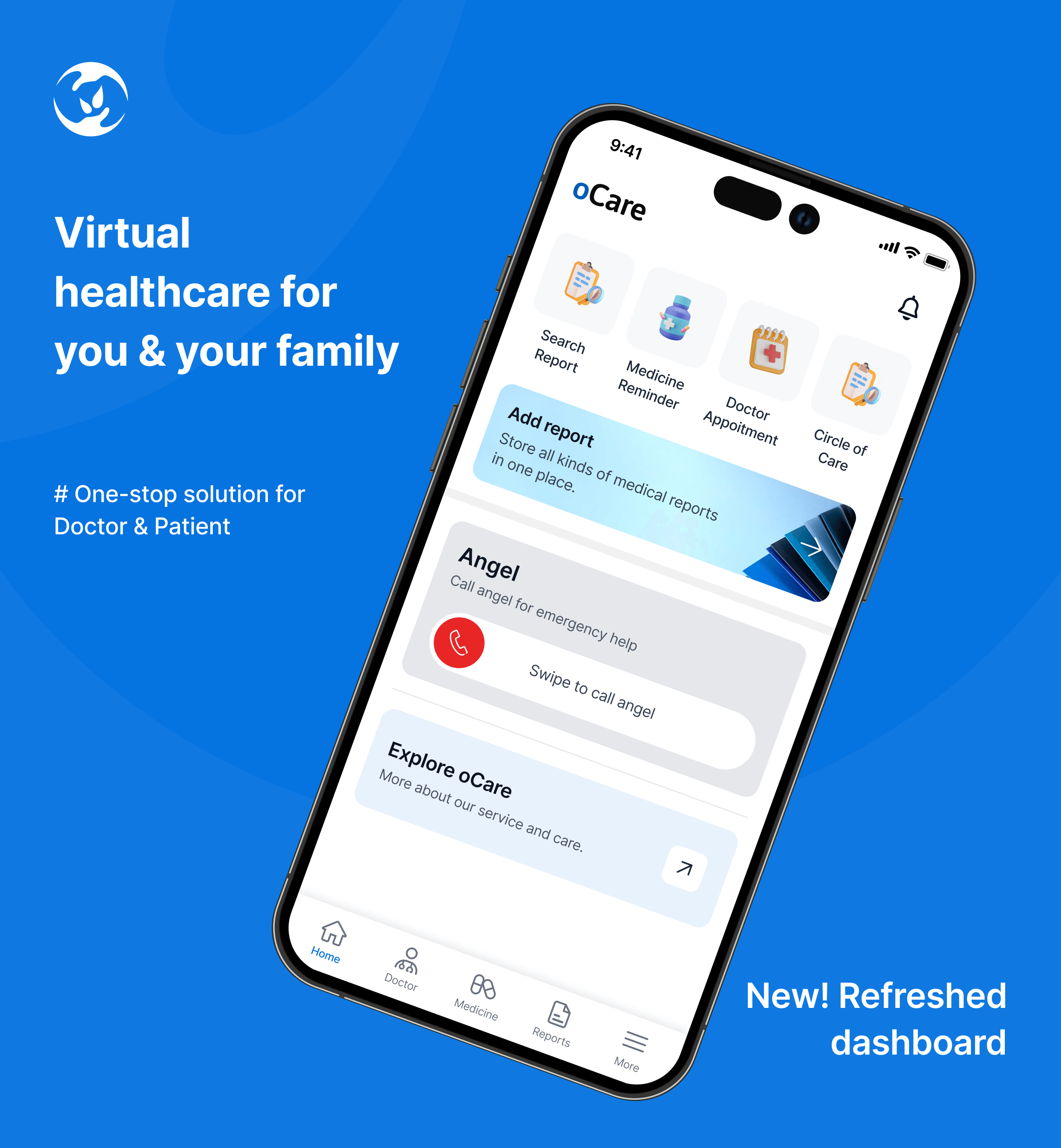
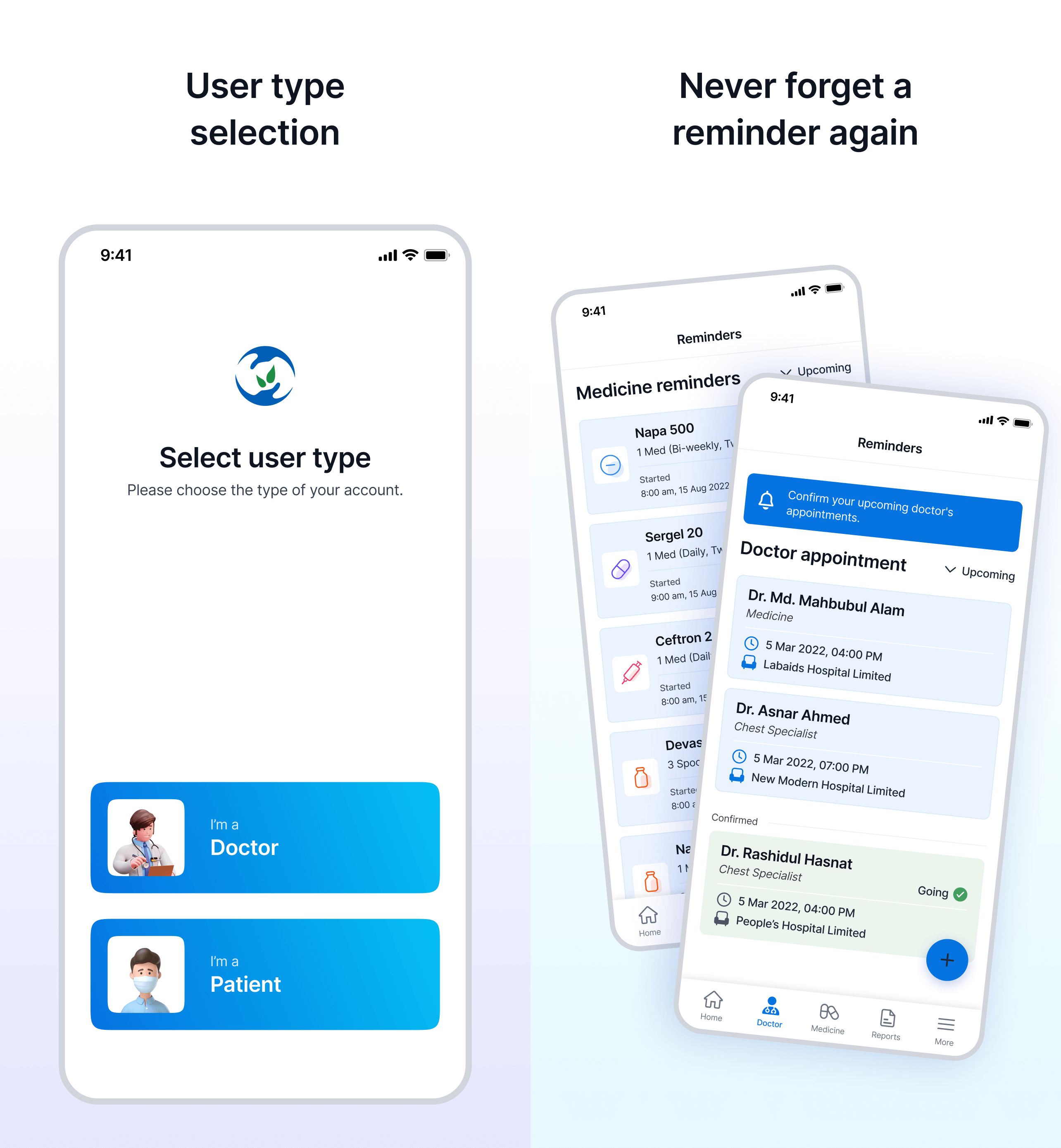
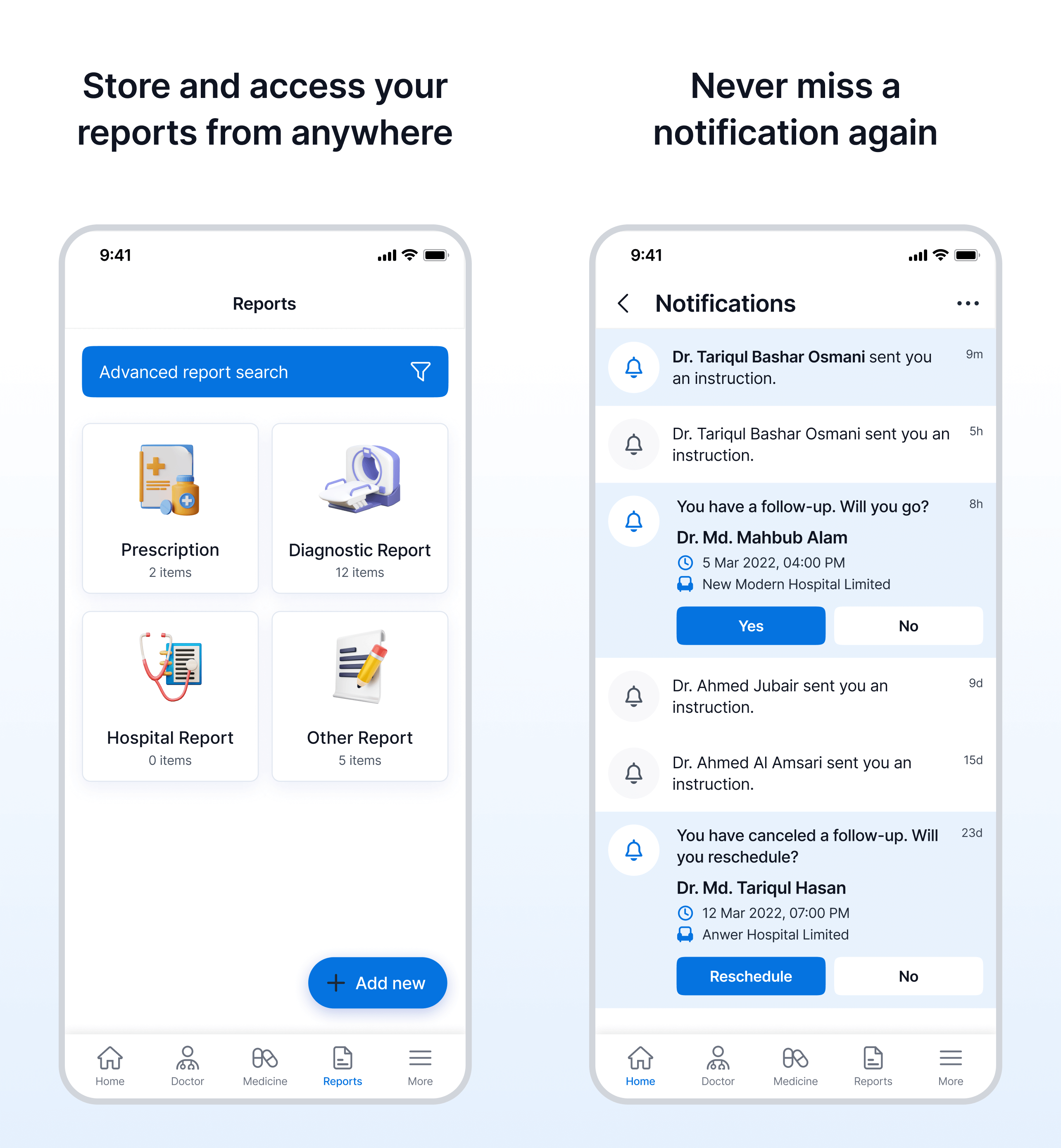
The public oCare listing describes a virtual healthcare assistant focused on medication adherence, doctor visits, and digital access to medical records.
Public scale and product claims are attributed to the linked source. Delivery details reflect my direct role; confidential client data and implementation details are intentionally omitted.
Review public sourceNeed someone who can clarify the real constraint, make the technical trade-offs explicit, and stay accountable through production delivery?
Discuss a project